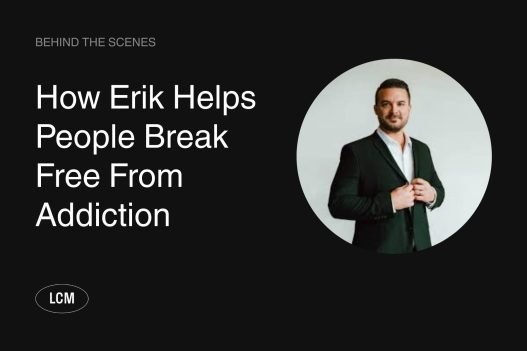
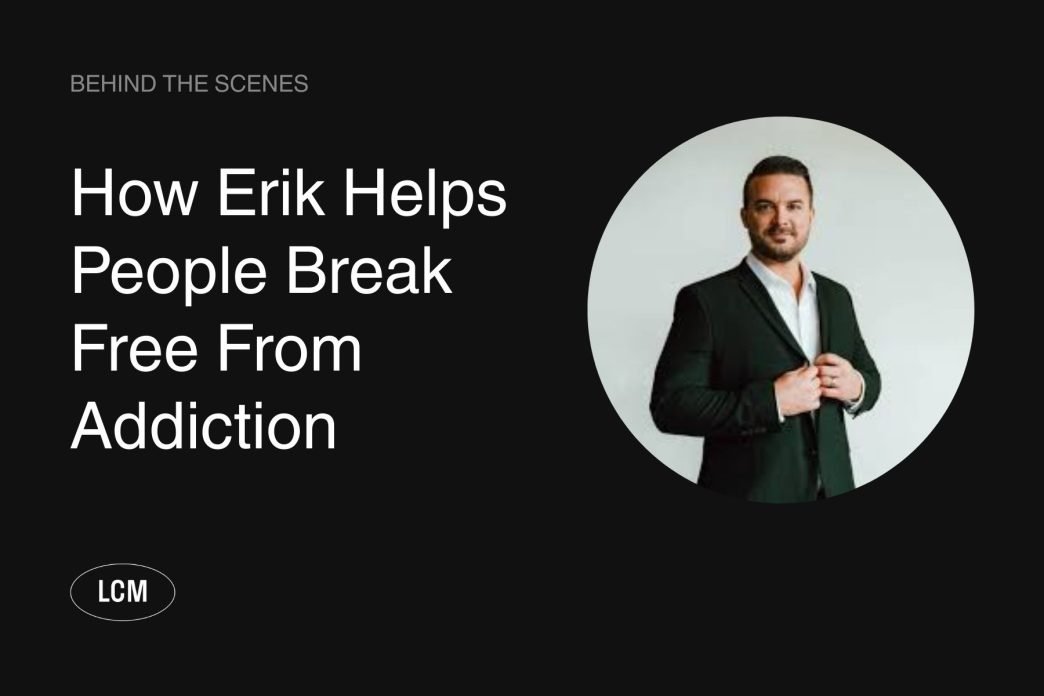
Erik Frederickson is the co-founder of Recovering Reality, a breakthrough coaching practice that helps individuals break free from addiction by uncovering root causes, renewing the mind, taking practical action, and restoring purpose. Through spiritual truths, practical guidance, and personal transformation, clients experience lasting freedom and become who God created them to be.
Business Name: Recovering Reality
Location: Northeast Ohio
Connect: Website | Instagram | Facebook | Book
Tell us about your journey as a coach.
I started my coaching practice 11 years ago with a deep desire to help people break free from the same struggles I have been blessed to overcome. My journey into coaching began after experiencing my own transformation, and I knew I could not keep that freedom to myself. In the early years, there were plenty of learning curves, including figuring out how to build a business, reach people, and create real lasting change. But through persistence and faith, both I and my business grew.
For the past seven years, I have had the privilege of doing this full-time, helping hundreds of individuals find healing, purpose, and freedom in their lives. My coaching combines spiritual truth with practical tools, helping people not only renew their minds but also take tangible steps toward transformation.

Along the way, I have had the honor of speaking regularly at churches, public events, and businesses, sharing hope and insight with audiences who hunger for real change. What started as a passion to help a few has grown into a calling that impacts many. Today, my focus remains the same as it was from the beginning, to see people set free, walking in their God-given purpose, and living the kind of life they were created for.
How did you get your very first paying client?
They reached out to me after I spoke at an event.
What worked best for you to find and attract clients in the early days?
Speaking engagements and social media.
How did you decide on your niche, or what would you say to someone who’s struggling to choose one?
I chose my niche by focusing on the exact struggles I’ve personally overcome, primarily addiction, but not limited to it. My advice to coaches stuck in “niche drama” is simple: stop overthinking and start serving. Clarity comes through action, not theory. Help real people, listen to their needs, and your niche will reveal itself.
What training or certifications, if any, made the biggest difference in your career?
- Life Coach Training Institute
- Recovery Coach I
- Recovery Coach II
- Ordained Minister
And what holds the most weight for me is over 11 years of experience.
What marketing channels or strategies would you recommend for someone starting out with limited time and budget?
Relationships with key people have served me best. I have established connections and friendships in places of influence that often send referrals. I also have a podcast, create short videos that address clients’ pain points, have written a best-selling book, and am willing to speak with anyone for a free consultation to start a personal connection.
How did you set your initial pricing, and what did you learn about raising rates?
My friend who created the Life Coach Training Institute helped me with that. I started with a lower rate to create momentum and gain experience. As I grew in my ability to guide people into freedom, I increased my prices based on the value I provide.
Do you offer free consultations? Why or why not?
Yes. I do a free 20-minute consultation so I can understand the need, answer questions, and establish a connection.
What helped you build confidence and/or overcome imposter syndrome when you were just starting?
Doing it more.
How did you stay motivated and maintain a positive mindset when your business growth was slow?
This was a learned skill. What has helped me the most is faith in my calling and a clear vision. This vision needs to be revisited and expanded regularly. Doing this has helped remind me of my purpose and the bigger picture.
What beliefs about coaching or business were most helpful as you grew your coaching practice?
Biblical principles are fail-proof.
What’s your favorite coaching exercise or tool to use with clients—and why?
Keep asking why, and get them to elaborate on their answers. This leads them to their own answers.
If you had to choose three must-have tools for your business, what would they be and why?
My laptop. Zoom. A Google Doc that the clients have access to, so we can track progress.
How do you structure your sessions or packages for clients?
Monthly. My clients pay either monthly or two months in advance. For me, this shows commitment, as they are paying for multiple sessions upfront. At the end of every month, we assess progress and the value they feel they are receiving. Most of my clients work with me for a minimum of three to four months, and some for years.
What does your day-to-day look like now compared to when you were starting?
I go to my home office and first pray, journal, and read. I then review my schedule and get to work. Early on, my routine was more scattered. Today, it is a simple and straightforward routine.
What software and tools were you using when you started, and how has it evolved?
I used no tools early on; it showed. I now do everything over Zoom calls, track client progress in a Google Doc, and use their preferred method of payment.
How do you keep growing as a coach?
Daily prayer, journaling, and lots of reading. I challenge myself by being infinitely curious. I also have a couple of mentors that I check in with regularly.
Is there a book, podcast, or resource you recommend for other coaches?
More of a mentality. As soon as I think I have it all figured out, I’ve put a ceiling on my growth. I can always learn more and gain more tools and insights to further perfect my craft.
How do you maintain your own energy and mindset as a coach?
Read, journal, and pray daily. I hit the sauna multiple times a week and take ice-cold showers daily. I work out multiple times a week. I also stay aware of current trends in mental health and physical health. I study them on my own and take what I like and dismiss the rest.
Do you have any examples of how a “failure” set you up for later success?
My podcast never took off. I have over 200 episodes, but I have all but stopped it entirely. It was good, and it helped me and others, but the juice hasn’t been worth the squeeze. I don’t look at it like failure, more of a valuable learning experience. Now, when starting new projects, I assess how much time and energy I have for the project and if I can build it long-term.
How has your approach to coaching evolved since you started?
We learn by doing. Knowledge is valuable, but I only truly know something when the evidence of what I believe is visible in my life. I say that because I learn the most by honestly assessing myself in ways that make me stronger. I review my approaches and techniques to see how I can improve next time, and I measure my progress by my clients’ results.
What’s one trend in the coaching industry you’re excited (or cautious) about right now?
I don’t base my coaching on new trends; I base it on biblical principles. This will yield the best results. I have worked with many people who don’t believe like me, and I like doing this. My trend is to use the approach that brings the best results.
What’s one piece of advice you wish you had when you were brand-new?
Always build your brand with the big vision in mind.
If you were starting over today, what would you do differently?
Focus on the foundation for a season: Mastering the approach, helping clients keep their eyes on the results that are coming, and understanding my own strengths and weaknesses.
This was also a huge game-changer for me. There is a big difference between working in the business and working on the business. Early on, I would have spent more time working on the business, so I could fine-tune the process of getting clients faster.
Is there something you thought was really important as a new coach, but later realized wasn’t?
Fancy and trendy language is not my goal. My job is to make sure people understand the point behind what I’m saying, not to sound impressive. Articulate communication is important, and I’m always working to improve it, but at the end of the day, it doesn’t mean much if the people listening can’t clearly grasp what’s being communicated.
If you could give one piece of advice to every coach reading this, what would it be?
You, too, can become an overnight success if you work hard enough for ten years.

The Life Coach Magazine staff is your team for high-quality content on topics from personal development, to coaching tips, to how to grow your coaching business.