
What are the best books to improve your coaching skills? Many experienced coaches point to titles like The Coaching Habit and The Transformational Coach as go-to resources for asking better questions, shifting mindsets, supporting clients with greater empathy, and creating meaningful, lasting change. The best coaching books for life coaches not only expand your knowledge but also provide practical tools and frameworks you can apply directly in your sessions.
Whether you’re a new coach developing your skills or an experienced practitioner seeking fresh perspectives, continuing your education is essential for effective coaching. In this edition of Real Talk, coaches share the personal development and coaching books that have helped them grow as coaches, support clients more effectively, and strengthen their coaching practices.
Explore this curated list of recommended coaching books to discover new ways to support your clients and grow a profitable coaching business.
The Coaching Habit: Say Less, Ask More & Change the Way You Lead Forever
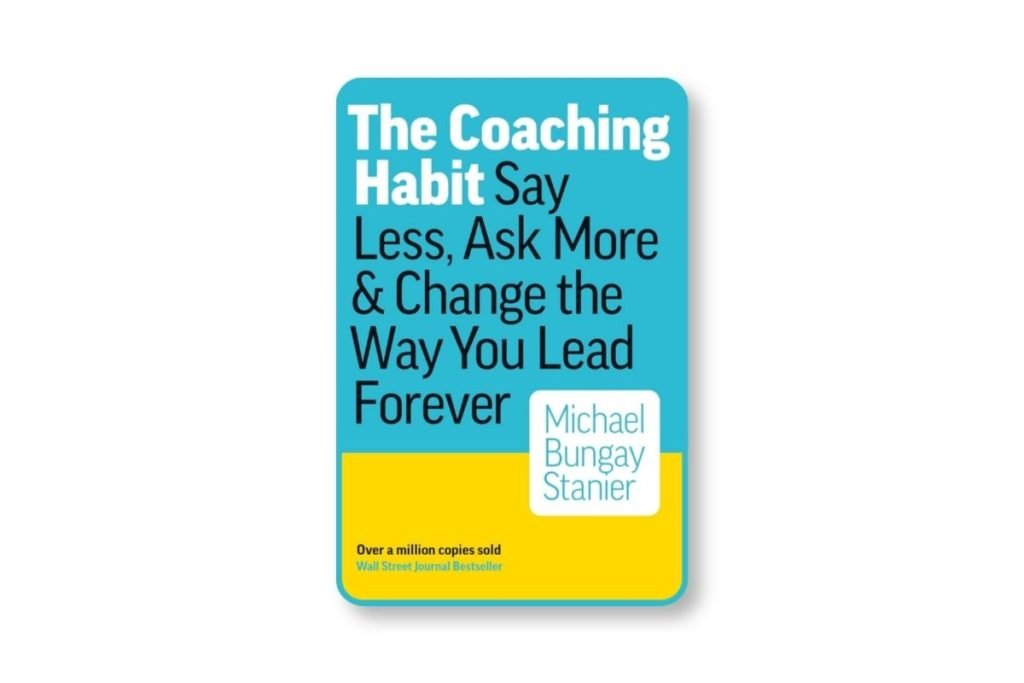
Author: Michael Bungay Stanier
By far the most popular, The Coaching Habit was recommended by multiple coaches. Here’s what they each had to say about it:
Why I love it: It’s short, punchy, and ridiculously practical. It makes coaching feel accessible for anyone — not just professional coaches — by showing how powerful simple, well-timed questions can be.
Key insights:
- Great leaders don’t give advice first — they stay curious longer.
- Building a coaching culture starts with changing everyday conversations.
- The magic isn’t in having the right answers; it’s in asking the right questions.
Favorite principle, tool, or exercise: The 7 Essential Questions — especially the “AWE Question” (“And what else?”). It’s such a deceptively simple way to deepen conversations and uncover what really matters.
Quote: “Tell less and ask more. Your advice is not as good as you think it is.”
Additional thoughts: This one’s a must-read for anyone who manages people or mentors others. It’s a quick read that quietly transforms how you communicate — not just at work, but everywhere.”
— Submitted by Wendy Burbridge
Why I love it: It strips coaching back to what actually works, curiosity. It’s practical, conversational, and reshapes how you engage with anyone, not just clients.
Key insights: The best coaches don’t provide answers; they create thinking space. Staying curious for a few seconds longer changes the quality of every conversation. I also absolutely love his idea of an advice monster!
Favorite principle, tool, or exercise: The 7 Essential Questions, especially “What’s the real challenge here for you?” Simple, but it cuts through noise fast.
Additional thoughts: A must-read for coaches and leaders alike, it turns everyday interactions into moments of growth and shifts you from problem-solver to performance catalyst.
— Submitted by Yvette Janse van Rensburg
Why I Love It: The Coaching Habit is a masterclass in simplicity and impact. What I love most is how it transforms coaching from a performance into a practice, and encourages readers to make it a habit so they begin integrating it into their lives.
Stanier distills coaching down to one powerful idea: transformation doesn’t come from having all the answers, but from asking better questions. That resonates deeply with my own philosophy as a reinvention coach. I’ve seen how the right question at the right moment can shift identity, unlock self-leadership, and change the trajectory of someone’s life.
Finally, people “get it.” I’ve taught this book as a book club for leaders, and when they realize that they are the barrier keeping their people stuck, a light bulb goes on for them, and transformation begins.
Key Insights:
- “Un-weirding coaching” is a term Stanier uses frequently to help make coaching more accessible to a broader group of people. Curiosity is a superpower. When we resist the urge to “fix,” we create the space for people to access their own wisdom.
- The most effective coaching is conversational and happens in real time, not in rehearsed frameworks.
- Asking just one powerful question can move a client from analysis to awareness to aligned action.
Favorite Principle, Tool, or Exercise: My favorite principle is “The AWE Question” — “And what else?” Stanier often says the first problem is never the real problem, and I find that to be quite true. Oftentimes, when beginning a new coaching relationship, people can take time to warm up, so the initial questions serve as tester or trust-building questions. Once clients see how effective things work with the tester questions, they start revealing where they really need support– and that’s when we get to the important work.
Quote: “Being curious gives you time to figure out what’s going on. It slows you down just enough so you can stay curious a little bit longer.”
This quote captures the essence of conscious coaching: slowing down to listen, reflect, and lead from presence instead of performance. It also requires that, as the coach, I’m holding space for the client to access their own wisdom.
Additional Thoughts: The Coaching Habit is a reminder that great coaching is less about directing and more about discovering. Its elegance lies in its practicality: seven essential questions that can change how you lead, communicate, and empower others.
For coaches who want to help clients move from high-achievement to high-alignment, Stanier’s work is indispensable.
— Submitted by Wendy Burbridge
The Unshaming Way
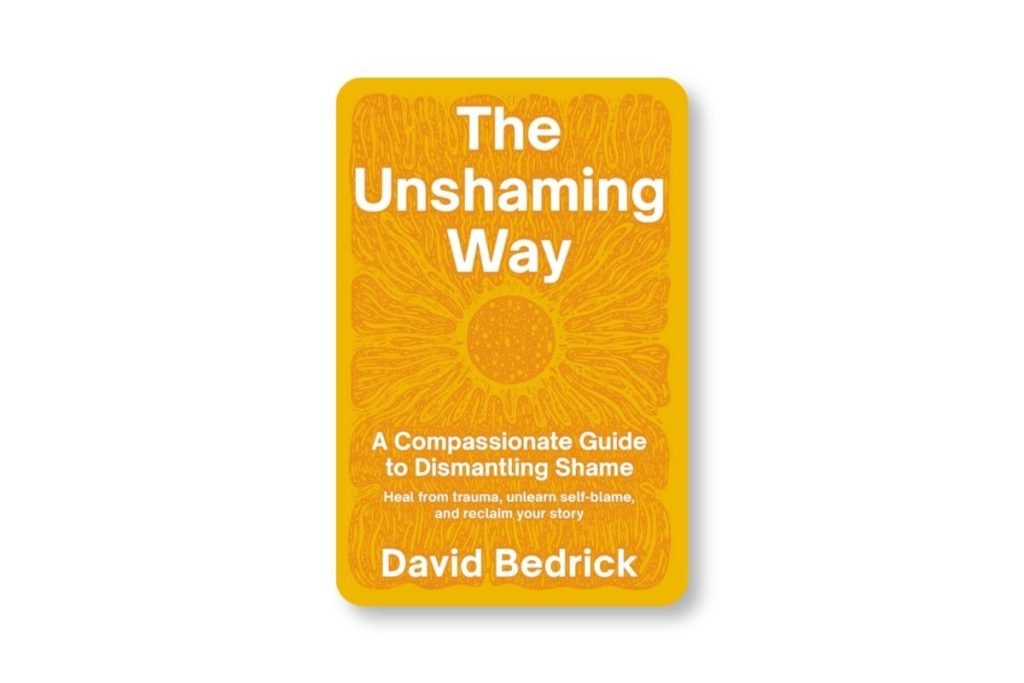
Author: David Bedrick
Why I love it: Shame is perhaps one of the most pervasive feelings and experiences we have as humans, and it permeates our coaching sessions. David Bedrick completely changed my paradigm of shame and how to approach it in The Unshaming Way.
Key insight: Shame is not a feeling; it is a way you see yourself.
Favorite principle, tool, or exercise: Throughout the book, the author gives several in-depth exercises to try. The one I wish all people could experience was his exercise around inner criticism. He basically has you act the critic and the one being criticized in order to really witness and connect with the hurt being caused. I found it very powerful.
Quote: “My research from over thirty years adds up to this: the way an assault lands in our psyche is due to the way others have witnessed us being assaulted–as shaming witnesses–whether they were present or we told them about it later on.”
Additional thoughts: David Bedrick’s tone and approach to trauma and healing are very different than any other expert I have ever read. He is real, raw, and swims against the grain of conventional teaching. …He is both extremely compassionate and completely confronting. He does use some language, so be aware of that, but don’t let it stop you from an industry-changing book.”
— Submitted by Denita Bremer
The Transformational Coach: Free Your Thinking and Break Through to Coaching Mastery
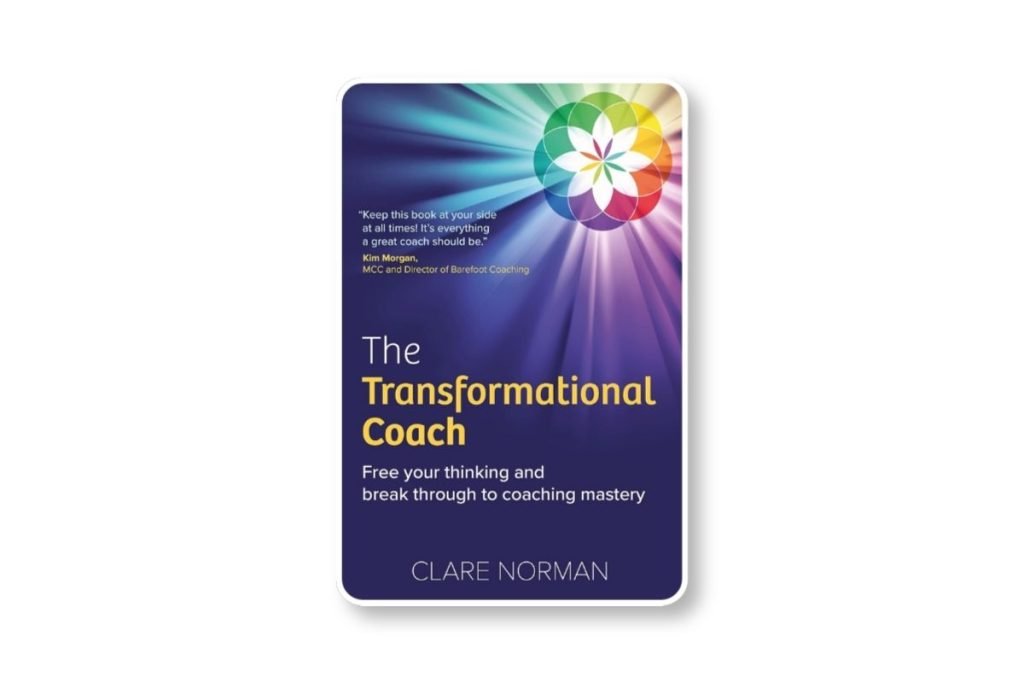
Author: Clare Norman
Why I love it: It really delivers its promise, with readable, bite-sized chapters describing how our own mindsets need to shift in order to be more ‘masterful’ coaches. There’s a one-page summary at the back of the book for easy reference to each of the shifts discussed.
Key insight: Mindsets include what we learned from our parents, school, peers, work, managers, our coaching experience, and even our coach training.
Favorite principle, tool, or exercise: A couple of lightbulb moments for me include: I don’t need to understand, as long as the thinker does; so don’t waste time asking them about the story unless it leads to new thinking – they already know the story, and we don’t need this. Our job is to stimulate fresh thinking for the client.
Quote: “Enter a coaching session without memory, desire, or understanding.”
Additional thoughts: I came across this book in a Reciprocoach peer coaching round, and it really was transformational for me. I stopped worrying about my performance and focused more on my coaching presence.
— Submitted by Barbara Bates
Braving the Wilderness
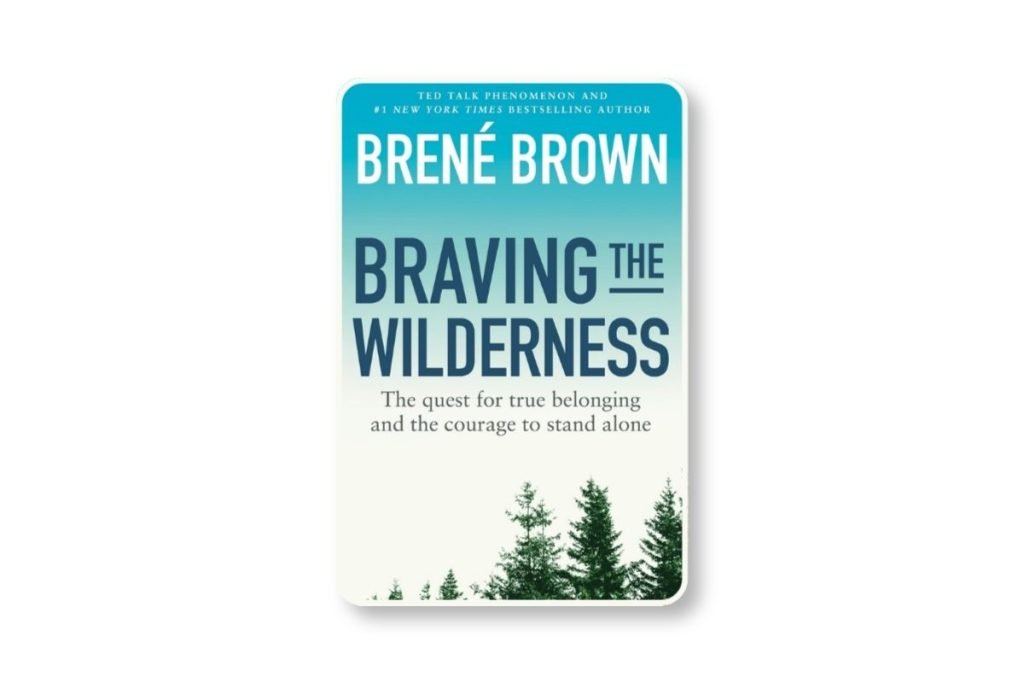
Author: Brené Brown
Why I love it: It’s a powerful reminder that belonging doesn’t come from fitting in — it comes from being fully yourself, even when that means standing alone. It redefines courage and connection in such a grounded, practical way.
Key insights:
- True belonging starts with self-belonging.
- You can’t be authentic and seek approval at the same time.
- The wilderness — that space of uncertainty and vulnerability — is where we find our truest sense of connection and purpose.
Favorite principle, tool, or exercise: The BRAVING acronym for trust (Boundaries, Reliability, Accountability, Vault, Integrity, Nonjudgment, and Generosity) — a clear, memorable framework for assessing and strengthening trust with yourself and others.
Quote: “True belonging doesn’t require you to change who you are; it requires you to be who you are.”
Additional thoughts: This book bridges personal growth and leadership beautifully. It’s both comforting and challenging — a call to courage that feels deeply human. Great for anyone navigating authenticity, leadership, or loneliness in their work or life.
— Submitted by Melissa Castro
The Miracle Morning
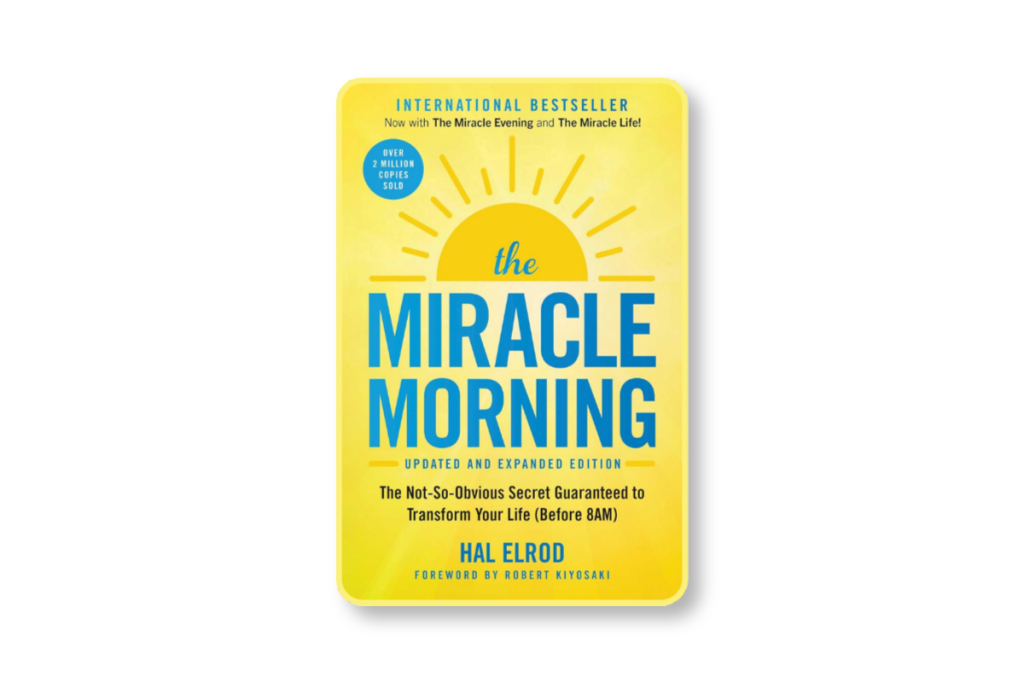
Author: Hal Elrod
Why I love it: The SAVERS routine helped me rebuild structure, discipline, and clarity during a time when I desperately needed grounding. The small daily habits created a big internal shift.
Key insight: Change doesn’t happen from one big moment — it happens from consistent daily choices that rewire your mind and identity.
Favorite principle, tool, or exercise: The SAVERS method (Silence, Affirmations, Visualization, Exercise, Reading, Scribing). Even doing a “mini” version creates noticeable momentum.
Quote: “Your level of success will rarely exceed your level of personal development.”
Additional thoughts: I use this with clients who feel overwhelmed or “too busy.” A 10-minute version of the routine often becomes their first real step toward sustainable personal growth.
— Submitted by Elisa Ramos
Co-active Coaching
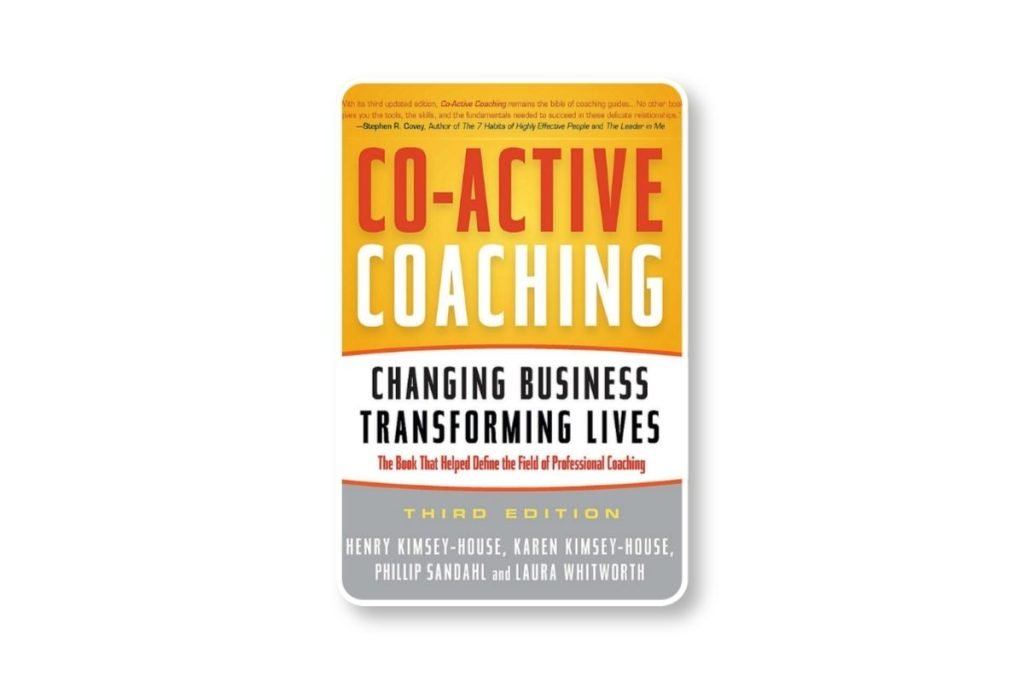
Authors: Henry Kimsey-House, Karen Kimsey-House, Phillip Sandahl, Laura Whitworth
Why I love it: Co-Active Coaching is one of those rare books that reminds you why coaching exists in the first place: to honor the power, wisdom, and agency within every person. As a women’s empowerment coach, I love how the Co-Active model treats clients as “creative, resourceful, and whole.” This principle aligns deeply with my work—especially with women who have been conditioned to shrink, doubt themselves, or look outward for permission. The book provides a coaching philosophy that actively restores a woman’s voice, autonomy, and inner authority.
Key insights: The book’s core insight is that transformation happens not through giving answers but through evoking a client’s inherent capability. Co-Active Coaching emphasizes an equal, collaborative partnership where the coach listens at a deeper level, challenges limiting narratives, and acts as a catalyst—not a director. It also highlights the importance of the client’s whole life, not just the “problem” they bring to the session. For women, this holistic lens is powerful: it acknowledges personal history, identity, relationships, boundaries, and values as interconnected pieces of empowerment.
Favorite principle, tool, or exercise: My favorite principle is the idea of “holding the client naturally creative, resourceful, and whole.” It’s simple yet radical—especially in the context of women who may have internalized doubt or perfectionism. The tool that stands out is the Three Levels of Listening. Level 2 and 3 listening—listening for meaning, energy, emotions, and the unspoken—is transformative. When we feel deeply heard at that level, we reconnect with our own truth. This tool enables breakthroughs that feel organic and self-led, which is the essence of empowerment coaching.
Quote: “The coach’s role is to challenge coachees to pursue their fulfillment, in spite of the circumstances, in spite of the voices all around them offering bad advice and contrary agendas, and in spite of the coachee’s own inner saboteur. When the road forward looks hard and dark, and the light of fulfilling choices is dim, your job as coach is to be out front, encouraging, pointing the way to a life fully lived, a life that is valued and without regret.”
Additional thoughts: Co-actice Coaching provides both structure and spaciousness: the structure to guide meaningful sessions, and the spaciousness to allow clients to discover their own answers. It’s a foundational text I come back to often, especially when I want to deepen presence or refine the way I hold space for a woman stepping into her next chapter.
— Submitted by Betty Chatzipli
Building a StoryBrand 2.0
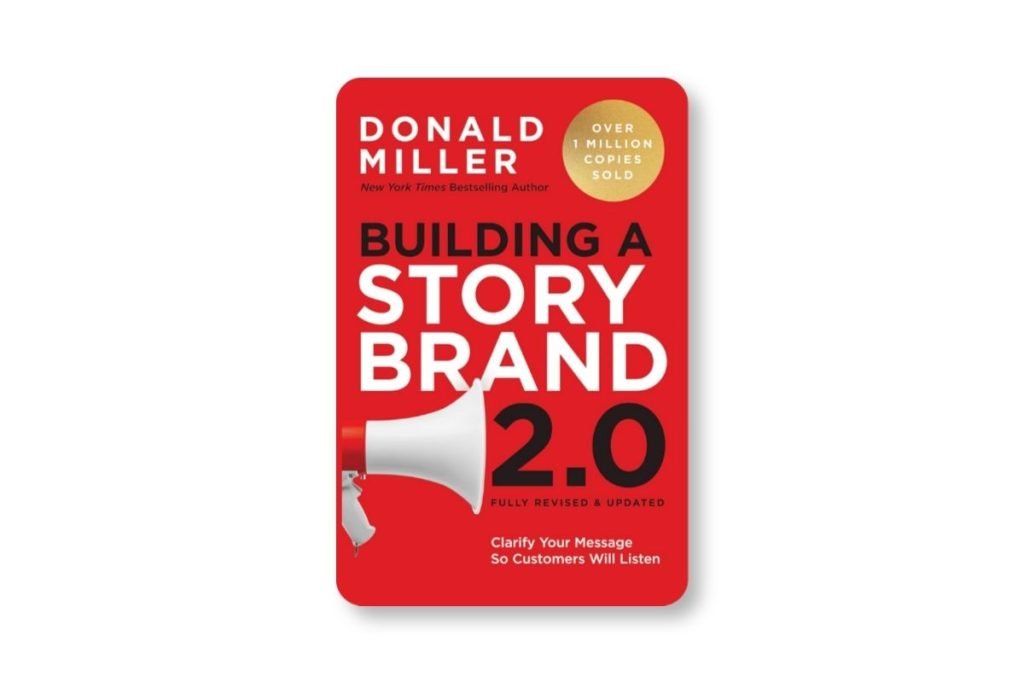
Author: Donald Miller
Why I love it: This book transformed how I coach entrepreneurs through clarity and messaging. After facing bankruptcy three times and later Stage IV cancer, I realized that great coaching isn’t about fixing your client—it’s about helping them see themselves as the hero of their own story. StoryBrand 2.0 gave me a repeatable framework to help clients understand who they serve, what they offer, and why it matters. I use it in almost every session because clarity is often the breakthrough they’re missing.
Key insight: Your job as a coach isn’t to be the hero—it’s to position your client as the hero. When clients see themselves clearly in their own narrative, transformation becomes possible.
Favorite principle, tool, or exercise: The StoryBrand 7-Part Framework. I walk clients through this to clarify their message, identify their audience, and reconnect their work to a deeper purpose. It turns confusion into confidence.
Quote: “If you confuse, you lose.”
Additional thoughts: For any coach working with entrepreneurs or leaders, this book is essential. Clarity lowers anxiety, increases confidence, and accelerates action. This framework is one of the reasons my clients make measurable progress.
— Submitted by Yohannes Tilahun
The 4 Disciplines of Execution
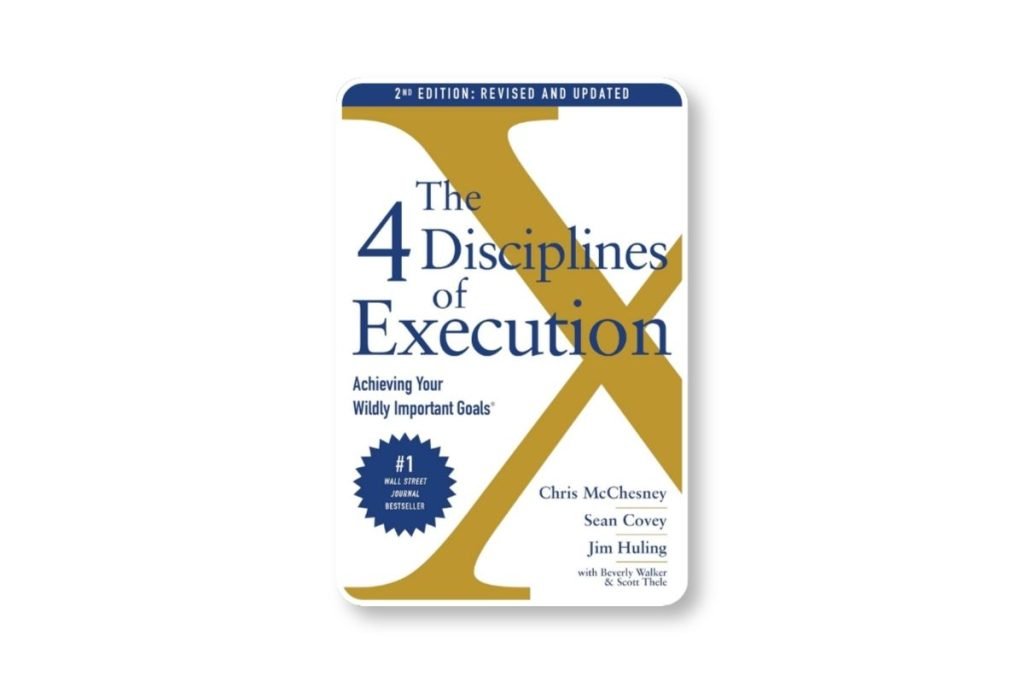
Author: Chris McChesney, Sean Covey, Jim Huling
Why I love it: Every client eventually says the same thing: “I know what to do—so why don’t I do it?” This book answers that question. It explains why execution breaks down and how to close the gap between intention and action. As someone who has rebuilt my life multiple times, I know firsthand that execution—not vision—is what creates change. This book gives coaches a structure to help clients follow through.
Key insights: Execution fails not because of bad strategy but because of competing commitments. Wildly Important Goals, lead measures, and weekly scorekeeping create accountability structures that actually work.
Favorite principle, tool, or exercise: The weekly cadence—identifying one or two Wildly Important Goals and tracking lead measures. It’s simple, uncomfortable at first, and incredibly effective. I use this with nearly every client.
Quote: “The battle is won or lost on the scoreboard.”
Additional thoughts: This is the book I use when clients feel stuck or overwhelmed. After going through bankruptcy and cancer, I learned that having a plan isn’t enough—you need systems that hold you accountable. This book gives you those systems.
— Submitted by Yohannes Tilahun
Conclusion
One of the most exciting things about coaching is that there’s always something new to learn, especially from fellow coaches and industry experts who continue to bring fresh perspectives to the field. We hope this list inspires you to explore new ideas and discover what these books can offer to support your growth as a coach.
Pick a book that resonates with you, and let it expand how you approach your clients and refine your coaching practice.
If you enjoyed this article, explore more from our Real Talk series for additional recommendations, tips, and resources to support your coaching business.
Thanks to our contributing coaches!
This article wouldn’t exist without the insights and expertise of the following coaches:
- Yvette Janse van Rensburg — Yvette is an award-winning mental performance coach helping high achievers unlock sustainable success through peak mindset, energy mastery, and emotional resilience. Instagram
- Denita Bremer — Denita is a complex trauma coach who helps Christian moms create the relationships they actually want. Website
- Barbara Bates — Barbara is a Health, Executive and Life Coach working with mature professionals at times of change. LinkedIn
- Wendy Burbridge — Wendy helps high-achieving women get clear and confident about elevating their personal lives to match their professional success. Website
- Melissa Castro — Melissa is a leadership and mental fitness coach helping Millennials beat burnout, lead with purpose, and build lives and careers that actually feel good. Website
- Elisa Ramos — Elisa is a life coach and author helping people rewire limiting beliefs and confidently step into their strongest, most purposeful selves. Website
- Betty Chatzipli — Women’s Empowerment Coach & Mentor / Founder Expert on Your Life, LLC. / Helping women ignite their inner power and live a self-determined life. Website
- Yohannes Tilahun — Yohannes is a financial and productivity coach who helps individuals and entrepreneurs gain clarity, eliminate overwhelm, and build a life and business with purpose. Website
Do you want to contribute to an upcoming article? Subscribe to the Editor’s Desk.

The Life Coach Magazine staff is your team for high-quality content on topics from personal development, to coaching tips, to how to grow your coaching business.